Sort By:

Anne Lippincott
Via
Healthgrades
1 year ago
Informative, good demeanor, calming
Z
Via
Healthgrades
1 year ago
He knew I knew I was nervous going in to have the procedure done. He was so kind, reassuring and patient with me. 10 out of 10 for Dr Kirk!!
Healthgrades User
Via
Healthgrades
1 year ago
Very well explained in easy understand terms.
Allan Markezich
Via
Healthgrades
1 year ago
Great physician. Cares about and addresses patients concerns. Excellent with eye injections and next day I dont even know I had one. He is a credit to ESA.
Sandy Finch
Via
Healthgrades
1 year ago
Eye shots are very scary but Dr. Kirk puts you at ease.
ABOUT
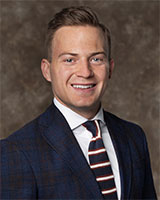
Dr. Clayton Kirk, M.D.
Dr. Kirk was born and raised outside of Chicago. After graduating from the University of Illinois with a bachelors degree in Molecular and Cellular Biology and a minor in Chemistry, he attended medical school at Loyola University in Chicago. He went on to complete a transitional year internship in Spokane, WA before returning to Chicago for his ophthalmology residency at the Loyola University Medical Center. He completed a 2-year Vitreoretinal Surgery fellowship at the prestigious Associated Retina Consultants in Phoenix, AZ.
Dr. Kirk has advanced training in the surgical management of retinal detachments, macular puckers, macular holes, diabetic eye diseases, vitreous floaters, and secondary intraocular lens placement.